Filipino, Indonesian, Indian or Myanmar Helpers: Understanding the Differences
Leonard Ng | Updated: March 20, 2026
Table of Contents
Choosing the right domestic helper for your family goes beyond just looking at their work experience. In Singapore, the majority of domestic helpers come from the Philippines, Indonesia, Myanmar, and India. Each of these countries has a distinct culture, language, and predominant religion that will directly influence how your new helper interacts with your family.
While every individual is unique, understanding the general cultural traits of each nationality (including how they spend their earned time off) can help you manage expectations, minimize misunderstandings, and choose the best fit for your home.
Here is a breakdown of what you need to know about hiring Filipino, Indonesian, Myanmar, or Indian helpers.
1. Filipino Helpers: The Confident Communicators
Filipino helpers (often referred to as FDWs or Foreign Domestic Workers) have been a staple in Singaporean households for decades. They are highly sought after, which often means they command a slightly higher starting salary compared to other nationalities.
Language Skills: They are generally highly proficient in English. This makes the initial onboarding process much easier, as there is little to no language barrier.
Best Suited For: Families with young or school-aged children. Because of their strong English skills, many employers rely on them to read to children, help with basic homework, and communicate effectively with teachers or doctors.
Cultural & Religious Nuances: The Philippines is predominantly Catholic. Many Filipino helpers may request Sundays off to attend church services and socialize with their community. They are generally known to be confident, expressive, and straightforward. This makes communication easy but may require employers who appreciate a more vocal dynamic.
Off Day Hangouts:Lucky Plaza on Orchard Road is the undisputed heart of the Filipino community in Singapore. On Sundays, it is bustling with remittance centers, salons, and eateries serving authentic adobo, halo-halo, and Jollibee. It is where they go to send money home and feel connected to their roots.
2. Indonesian Helpers: The Adaptable Caregivers
Indonesian helpers are incredibly popular in Singapore, especially for multigenerational households. They are often praised for being adaptable, polite, and culturally closer to the local Malay community.
Language Skills: They speak Bahasa Indonesia, which is very similar to Malay. They often pick up basic English quickly. Many are also adept at learning basic Mandarin or dialects if they have worked in Taiwan or Hong Kong previously.
Best Suited For: Elderly care and households that do not require perfect English. They are generally known to be patient and respectful of elders, making them excellent companions for aging parents.
Cultural & Religious Nuances: Indonesia is predominantly Muslim. This brings important dietary and daily routine considerations into your home.
Handling Pork and Dog Care: Many Muslim helpers cannot eat or handle pork, and some may not be comfortable working in a home with dogs. You must clarify this during the interview.
Prayer and Fasting: They may require time to pray daily and will observe fasting during the month of Ramadan. Respecting these religious practices is key to a harmonious relationship.
Off Day Hangouts: The Paya Lebar area (specifically City Plaza) is the favorite weekend spot for Indonesian helpers. You will often see them gathering in the open spaces around the MRT or inside the malls to share meals, buy familiar Indonesian clothes and cosmetics, and catch up with friends from their home provinces.
3. Myanmar Helpers: The Hardworking Learners
Over the last decade, Myanmar (Burmese) helpers have become increasingly popular in Singapore. They are often hired by families looking for more affordable options, as their starting salaries are generally lower than those of Filipino or Indonesian helpers.
Language Skills: This is usually the biggest hurdle. New Myanmar helpers often have limited English or Mandarin skills when they first arrive. Employers will need to rely on translation apps, hand gestures, and immense patience during the first few months.
Best Suited For: Employers who have the time to train a helper from scratch and families who prefer a quiet, compliant presence in the home.
Cultural & Religious Nuances: The majority of Myanmar helpers are Buddhist. Culturally, they are often described as reserved, mild-mannered, and eager to please. Because they are generally more timid, employers need to be gentle with corrections. Shouting or harsh criticism can easily overwhelm them.
Off Day Hangouts:Peninsula Plaza near City Hall is widely known as Singapore’s “Little Myanmar.” Helpers spend their days off here eating traditional dishes like Mohinga (a rice noodle and fish soup), buying imported Burmese groceries, and handling their monthly remittances.
4. Indian Helpers: The Culinary and Cultural Match
Indian helpers are a fantastic choice, particularly for local Indian or expatriate families who want to maintain traditional dietary habits, languages, and cultural practices in their homes. They typically hail from regions like Tamil Nadu, Punjab, or Darjeeling.
Language Skills: Depending on their region of origin, they often speak Tamil, Hindi, Malayalam, or Telugu. Many also have a very strong command of basic to intermediate English, making communication quite smooth.
Best Suited For: Families looking for someone experienced in cooking authentic Indian cuisine (whether vegetarian or non-vegetarian). They are also excellent for households where elderly parents prefer speaking in their native Indian dialects.
Cultural & Religious Nuances: Religion and diet are highly specific to the individual helper. They could be Hindu, Christian, Muslim, or Sikh.
Dietary Restrictions: Many Indian helpers are strictly vegetarian or do not consume beef. If you have a non-vegetarian household, you must ask during the interview if she is comfortable handling and cooking meats that she does not personally eat.
Off Day Hangouts:Little India (specifically around Tekka Centre, Serangoon Road, and Mustafa Centre) is the primary weekend hub. Here, helpers can visit temples or churches, enjoy regional Indian street food, shop for traditional garments, and meet up with friends from their home states.
Quick Comparison Guide
Feature
Filipino Helpers
Indonesian Helpers
Myanmar Helpers
Indian Helpers
English Proficiency
High
Moderate
Low to Moderate
Moderate to High
Typical Religion
Catholic/Christian
Muslim
Buddhist
Hindu, Christian, Sikh, Muslim
Dietary Restrictions
Usually none
Halal (Often no pork)
Usually none
Often vegetarian or no beef
Sunday Hangout Hub
Lucky Plaza
City Plaza / Paya Lebar
Peninsula Plaza
Little India
Best Fit For
Childcare & tutoring
Elderly care & Malay speakers
Budget-conscious & patient employers
Cooking Indian cuisine & speaking local dialects
3 Tips for Bridging the Cultural Gap
Regardless of which nationality you choose, bringing someone from a different country into your home requires empathy.
Use Translation Apps: In the beginning, use Google Translate on your phone. Translating a complex instruction into Tagalog, Bahasa, Burmese, or Tamil prevents a lot of frustration.
Demonstrate, Do Not Just Explain: Show them exactly how you want your vegetables cut or your shirts folded. Visual learning crosses all language barriers.
Learn a Few Words of Their Language: Greeting your helper with a simple “Salamat” (Tagalog), “Terima Kasih” (Bahasa), “Kyeizu tin ba de” (Burmese), or “Nandri” (Tamil) shows massive respect and builds instant loyalty.
Conclusion
At the end of the day, nationality is just one factor. The success of your working relationship will ultimately depend on the individual helper’s personality, her willingness to learn, and your patience as an employer. Understanding where they come from and giving them the space to enjoy their community on their off days goes a long way in building a happy household.
Ready to find the perfect cultural fit for your family?
Whether you need an English-speaking tutor for your kids, a patient caregiver for your parents, or an expert in home-cooked vegetarian meals, we have carefully screened candidates from the Philippines, Indonesia, Myanmar, and India ready to support your household.
Leonard started Employhelpers.com to make hiring a domestic helper simpler, fairer, and more affordable. He helps families skip agency markups by connecting directly with domestic helpers.
Hire Directly. Save Thousands.
Browse trusted helpers available today with no agency fees


 Leonard Ng | Updated: March 20, 2026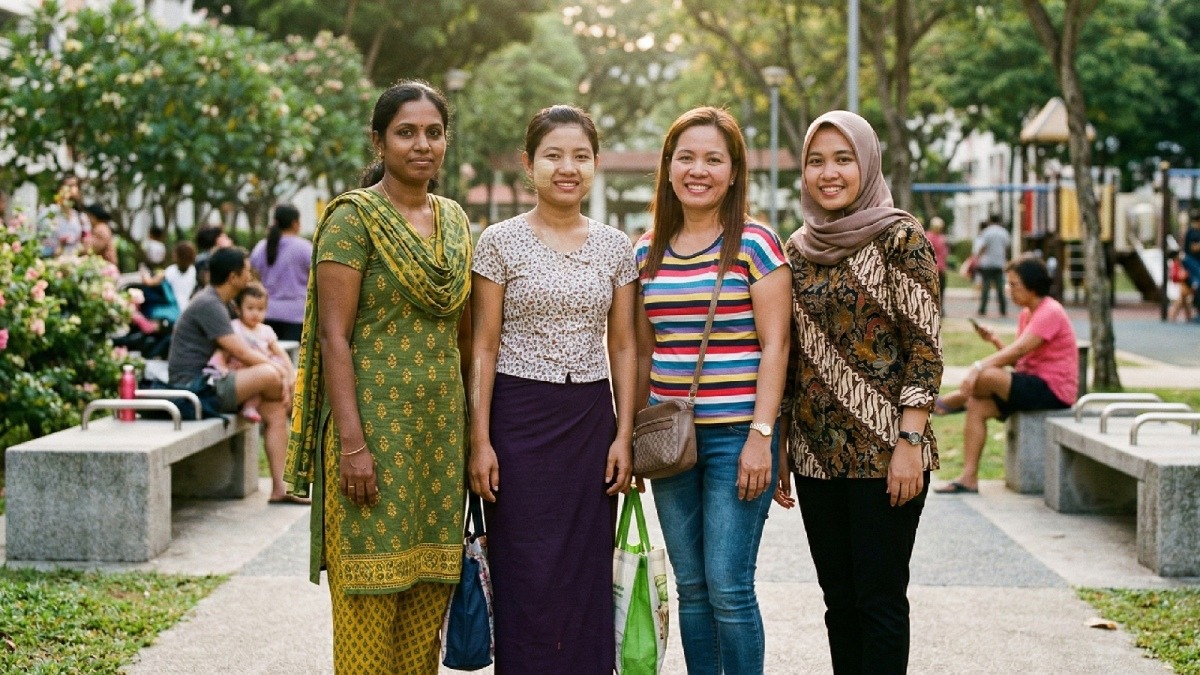

 English
  Indonesian
 Tagalog